University of North Texas

- Home
- About Us
- Appointments
- Clinic Services
- Additional Services
- Health Promotion
- Patient Resources
- Back
- Patient Resources
-
- Medical Records
- Notice of Patient Privacy
- Patient Rights & Responsibiites
- Drug Takeback Box
- UNT Campus Resources
- Online Health & Wellness Resources
- Contact
History of the Health Center
Our History
1919-1930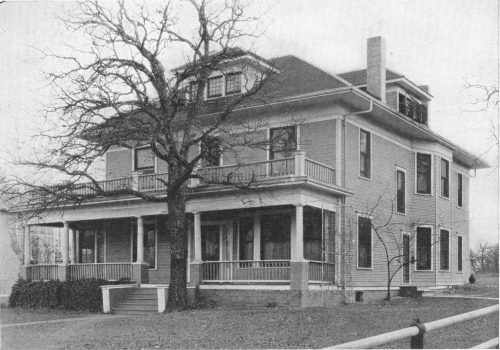
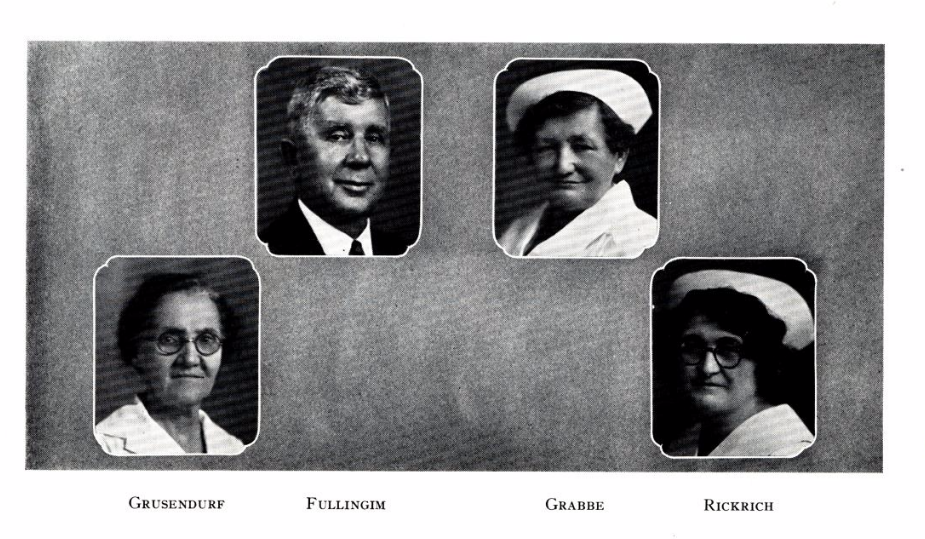
The SHWC has been an integral part of the UNT campus since its founding on October 3, 1918, as the sanitarium for the Student Army Training Corps students. The sanitarium was originally opened by the federal government as an emergency hospital for student soldiers training for World War I (WWI) during the 1918 Spanish Influenza Pandemic. The first day saw five patients. This facility was only able to care for eight patients at a time at their W. Mulberry Street location. Although the federal hospital was closed at the end of WWI, on November 11, 1918, North Texas State Normal College purchased the equipment through a $1 fee from all students and staff after the Board of Regents refused to finance the decision. The hospital was relocated to the corner of Avenue B and Sycamore Street in September 1919. At the time, the hospital was under the supervision of Adolphine Grabbe, who served as a Nurse starting October 3, 1918, and as Head Nurse from 1919 through 1930, and a Sick Committee, composed of faculty members appointed by college president Dr. William Bruce. Mrs. Grabbe was officially given the title of superintendent in September 1922. Initially, sanitarium staff included Mrs. Grabbe and her “assistants,” Mrs. Lydia Schmalz and Annie Rickrich, as well as Dr. M.D. Fullingim after 1928. Expenses were covered by a voluntary $2 fee paid by students and faculty. Hospital meals, cooked by Mrs. Grabbe until November 1920 then by a cook, Clementine Grusendorf, cost $0.25.
According to the newspaper staff, the sanitarium looked forward to “assured success” and earned the accolade of being considered one of the most useful institutions on campus.
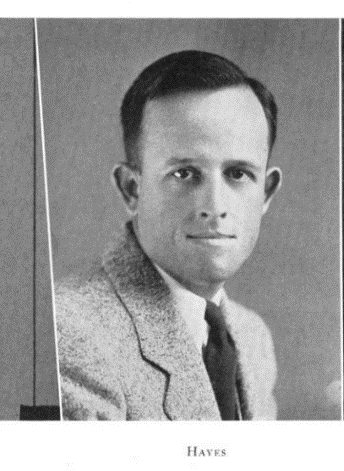
In 1930, a ruling by the Board to Regents required all nurses to be graduates of an accepted nursing school, forcing Mrs. Grabbe and Annie Rickrich to resign. Dr. Fullingim also resigned in 1930. Mrs. Grabbe was replaced by Dr. L.O. Hayes as head of the hospital in August 1930. Dr. Hayes was also the first full-time physician on staff. Annie Rickrich went on to get her nursing degree and returned to the hospital. The August 5, 1927 edition of Campus Chat lists 1,501 patients receiving first aid treatment over the month of July in addition to thirty-two bed patients. To put this in perspective, the January 4, 1930 Campus Chat lists only 1,673 students enrolled for the Winter Term. It was a very exciting day in October 1930 when a steam pressure sterilizer and clinical laboratory were added to the facility.
1933-1966
 In September 1933, a new hospital building opened, having been built for $23,319 and
paid for by excess funds from the previous hospitalization fee, under college president
Dr. Marquis on the southwest corner of the main campus and boasted a “one-story modern
brick veneer” with room for fifty beds. This new location was at the corner of Avenue
A and Chestnut Street and was equipped with “strictly modern conveniences” like an
x-ray machine and a spacious waiting room. The rooms were mentioned as being quite
comfortable. Staff included one doctor, two nurses, a housekeeper, and a cook. The
old sanitarium was converted to a student teachers' laboratory. In 1934, a steam
heating system was added to the new building to remove the gas fumes from the patient
rooms. In 1935, the hospital received $12,000 from the Works Project Administration
to add a west wing with space for thirty-two additional beds, a laboratory, and a
supply room. The annex was brought from Camp Howze. The 1933-34 school year only
had an enrollment of 5,480, yet the hospital saw 16,885 first aid cases. The 1940-41
school year, with an enrollment of 6,282, had 14,245 first aid cases. The term “first
aid”
In September 1933, a new hospital building opened, having been built for $23,319 and
paid for by excess funds from the previous hospitalization fee, under college president
Dr. Marquis on the southwest corner of the main campus and boasted a “one-story modern
brick veneer” with room for fifty beds. This new location was at the corner of Avenue
A and Chestnut Street and was equipped with “strictly modern conveniences” like an
x-ray machine and a spacious waiting room. The rooms were mentioned as being quite
comfortable. Staff included one doctor, two nurses, a housekeeper, and a cook. The
old sanitarium was converted to a student teachers' laboratory. In 1934, a steam
heating system was added to the new building to remove the gas fumes from the patient
rooms. In 1935, the hospital received $12,000 from the Works Project Administration
to add a west wing with space for thirty-two additional beds, a laboratory, and a
supply room. The annex was brought from Camp Howze. The 1933-34 school year only
had an enrollment of 5,480, yet the hospital saw 16,885 first aid cases. The 1940-41
school year, with an enrollment of 6,282, had 14,245 first aid cases. The term “first
aid”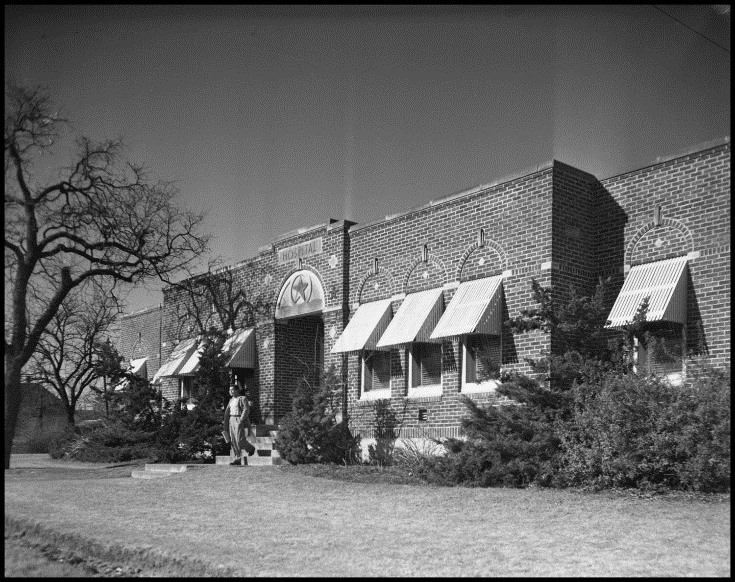 encompassed setting broken bones, wrapping sprained ankles, treating colds, “electrical
applications,” and x-rays. This does not include patients in the hospital for contagious
and non-contagious diseases, surgery, infections, or accidents, such as asthma, measles,
nosebleeds, jaundice, tooth extractions, indigestion, hiccups (one patient), car accidents,
lacerations, etc.
encompassed setting broken bones, wrapping sprained ankles, treating colds, “electrical
applications,” and x-rays. This does not include patients in the hospital for contagious
and non-contagious diseases, surgery, infections, or accidents, such as asthma, measles,
nosebleeds, jaundice, tooth extractions, indigestion, hiccups (one patient), car accidents,
lacerations, etc.
1957 - 1973
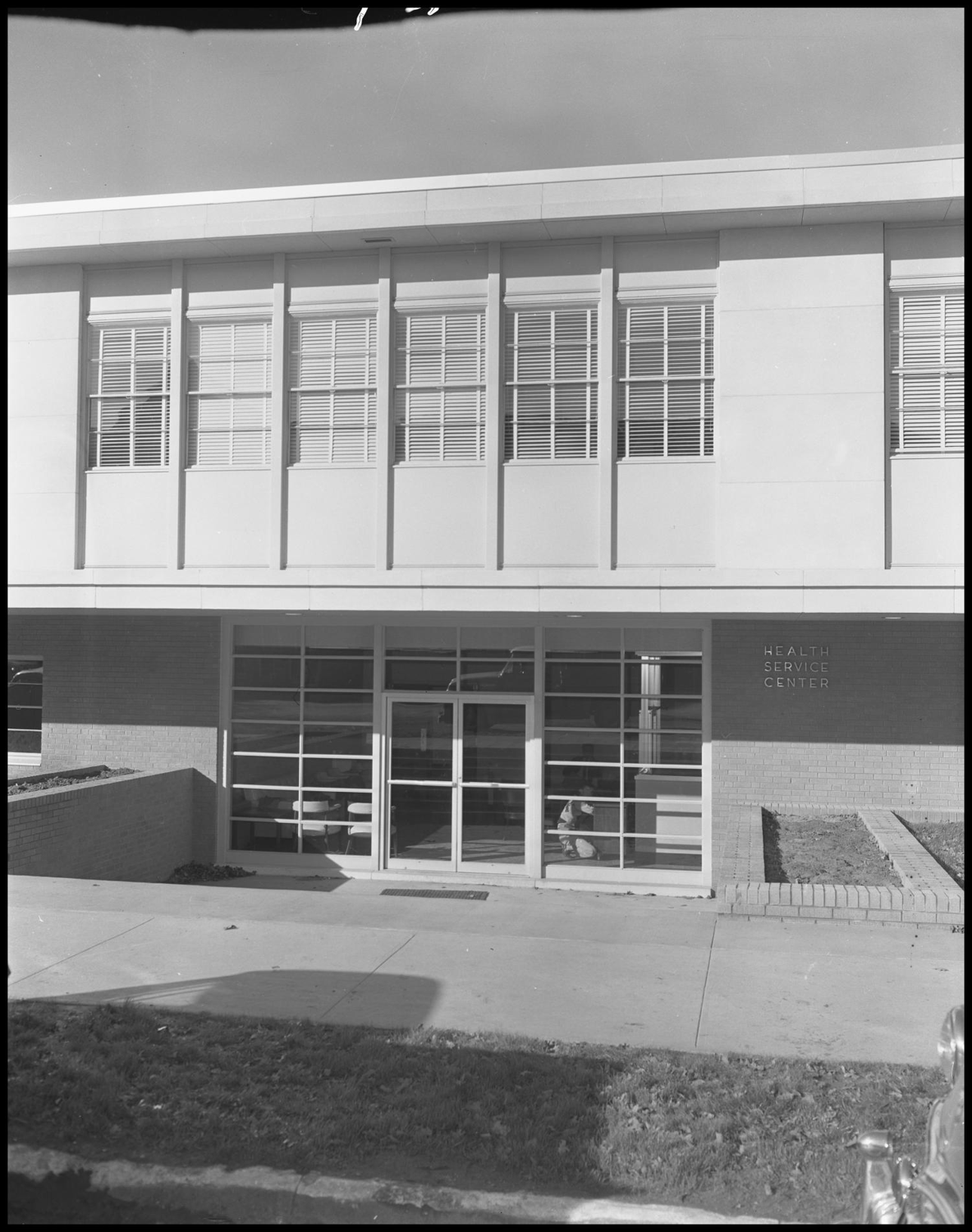
In 1957, yet another new hospital building was planned due to increased enrollment under college president Dr. Matthews. This building was planned for the corner of Avenue C and Chestnut Street and was approved by the Board of Regents (BOR) in March 1958 for $398,470, but ended up costing $30,000 more. The plans included two floors and room for seventy-four beds, more than the Denton County Hospital could boast st the time. Around this point, the hospital fee for students was bumped to $4 to help pay for the new building. Construction officially began in June and was completed in December. When the new hospital was completed, it was considered “the last word in equipment” and was patterned after a municipal hospital as much as possible. The first floor even had air conditioning! The possibility was also left open to close off a section of the second floor to create an isolation ward. The old hospital building was torn down immediately to make room for the Business Administration Building.
1957-2004
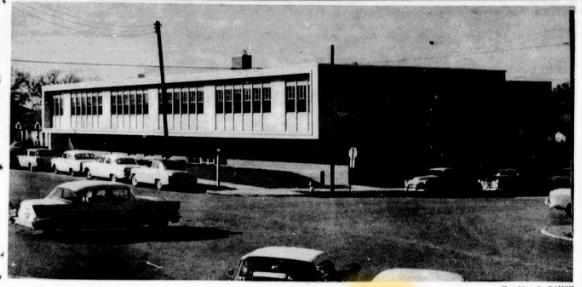
In 1973, the Health Center was allocated a budget of $287,250, $200,000 less than Athletics, which received negative attention from students. By 1975, under Dr. Bill Woodruff, a remodel was in order which cost the hospital $22,000 to turn it from an inpatient facility to an outpatient center, as well as adding a pharmacy and hiring a female gynecologist. This corresponded to a student medical services fee increase to $5 per long semester and $2.50 each summer term. The fee was also related to the bill passed by the Texas Legislature in the spring of 1975 that required all state schools to collect a medical service fee.
By 1977, the Student Health Center boasted exam and treatment rooms, x-ray, laboratory, two physicians, two part-time psychiatrists, ten registered nurses, two clinic attendants, a medical technician, two physician assistants, an x-ray technician, a laboratory technician, and a pharmacist and was seeing around 3,000 patients a month.
At this time, the physician assistant field was so new there were no state laws to govern their practice and the Texas Board of Medical Examiners had to quickly set guidelines until legislation passed. The student service fee was $2.50 per semester hour, separate from the medical service fee. Also in 1977, the lab boasted of performing more than 400 lab procedures per month and the pharmacy filled roughly 1,800 prescriptions per month, accounting for over 60% of the health center's income. The emergency entrance was open around the clock and staffed by a registered nurse after hours and on weekends. By 1987, the health center staff included two full-time medical providers, three part-time physicians, ten registered nurses, four licensed vocational nurses (LVNs), health education specialists, administrative and accounting staff, and a part-time psychiatrist and saw around 150 patients a day. Ten beds were available on the second floor for patients facing serious illnesses along with one room designed for “potentially violent mental patients” with the window covered by wire fencing and the light fixtures protected by iron grids. Inpatient students complimented the meals served to them as being “better than at Bruce Hall.”
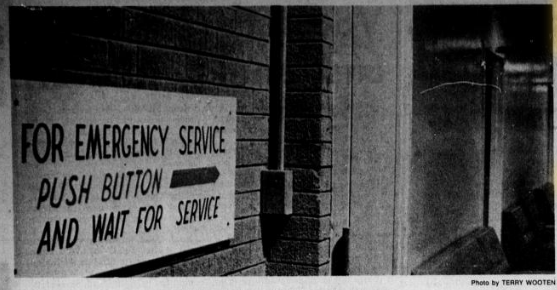
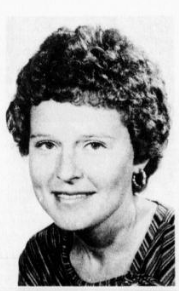
By 1988, a budget request from Director Sheila Meyer went through for $820,173, including $20,867 for new equipment and $15,000 for new waiting room furniture. In 1997, Director Reginald Bond requested $20,000 for building renovations.
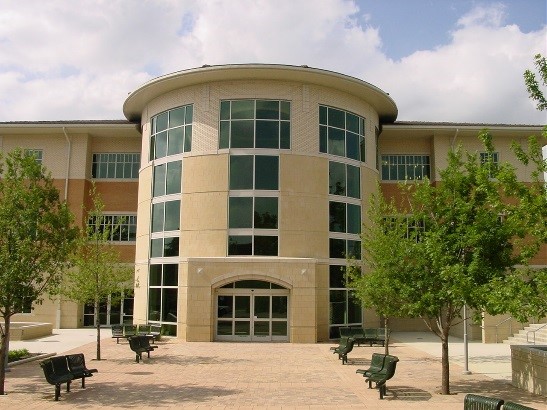
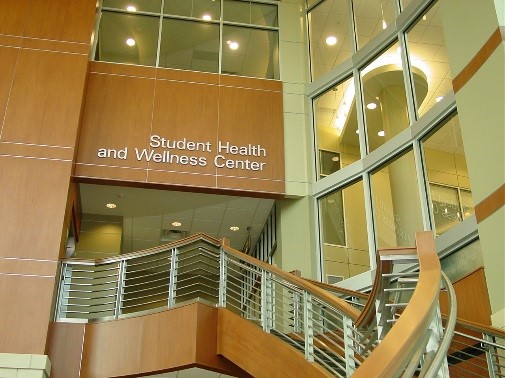
In 2004, a student health advisory group worked with the Division of Student Affairs to develop a plan for a new, modern student health center, which could hopefully serve UNT's students for the next fifty years. The group presented the idea to students, faculty, and staff during the Spring and Summer sessions and visited other university health centers to compare the current building to the potential of a new facility. With the support of the Student Government Association, and with BOR approval, the students placed a referendum item on the October 2004 student elections. The referendum was approved with 75% of the student body voting for the new building and the associated $19 increase in the Medical Service Fee to help pay for the new building and its upkeep. This funding was in addition to a $250,000 anonymous donation. After the election, the BOR authorized the construction of the building that would become Chestnut Hall and house the 30,000 square feet of space to be occupied by the Student Health and Wellness Center.
2005 - Current
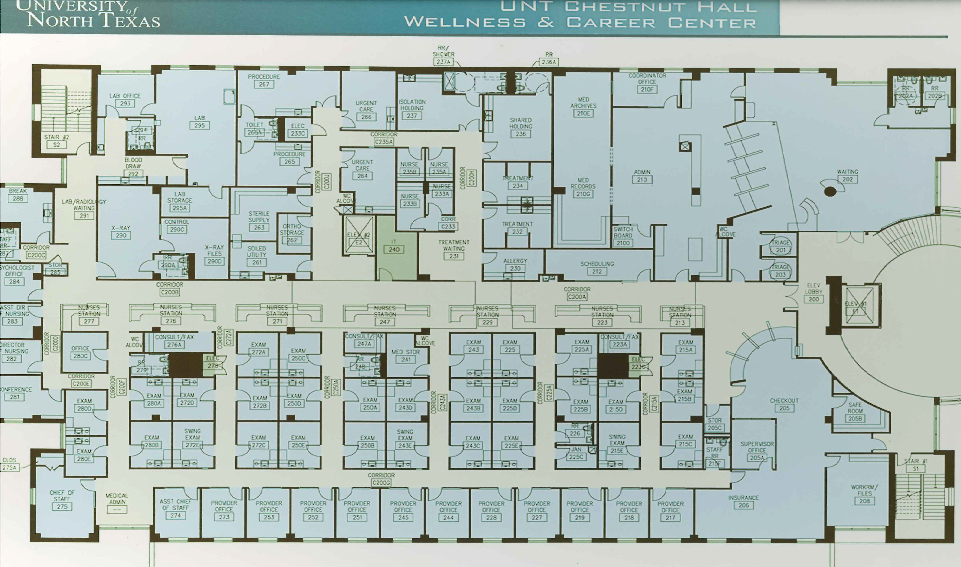
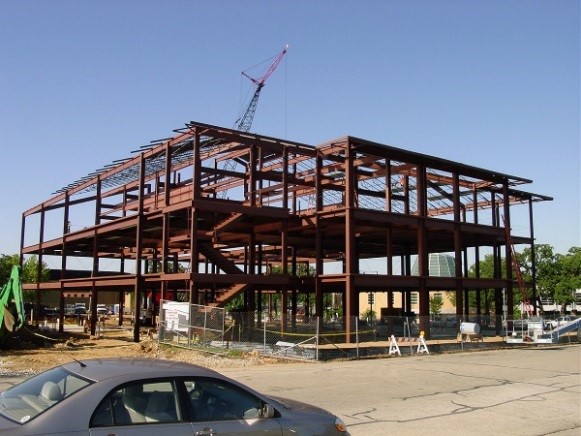
The groundbreaking for the new $18 million, 74,000 square foot building, designed for the Student Health and Wellness Center, Career Center, Student Money Management Center, Counseling and Testing Services, and the Division of Student Affairs IT department, was held November 2005. The SHWC moved into the health center portions of the building in January 2007. The new SHWC opened as a state-of-the-art facility designed to serve UNT's student population of 35,000+, boasting a digital x-ray machine, extensive laboratory, treatment rooms, immunization rooms, urgent care rooms, twenty-nine exam rooms with updated diagnostic equipment, wellness resources center, medical records and billing spaces, administrative suites, and full-service pharmacy. Within a few months of opening, the SHWC employed a full staff of physicians; nurse practitioners; LVNs; lab, pharmacy, and x-ray technicians; pharmacists; administrative personnel, including medical records, billing, and wellness resource staff; and a slew of student employees in many areas. That has been slowly expanded to include a dietitian, psychiatrist, outreach staff, and physician assistants; however, the pharmacy was closed in 2022.
In 2008, the SHWC contracted with College Optical Express to bring an optometrist to campus to serve the UNT community. In 2015, dental services were brought to campus under a contract with OnSite Dental to create the UNT Dental Clinic for students, faculty, and staff. The SHWC also contracts with outside agencies to provide massage therapy, chiropractic services, and free STI/HIV screening for students as well as with the UNT Health Science Center of Fort Worth for a short time to provide performing arts medicine for our extensive population of performing arts students. Over the summer of 2015, the SHWC received accreditation through the Accreditation Association for Ambulatory Health Care (AAAHC), a high honor that is a proud reminder of the SHWC's high standards. As of 2023, Dr. Cynthia Hermann, Executive Director, is supported by a professional staff of forty-six and a student staff of nine.
The SHWC strives each day to uphold its internal mission statement:
The Student Health and Wellness Center is committed to providing quality healthcare in a compassionate environment for our students. We promote responsible personal health choices to enhance each individual's lifelong health and well-being.
Director Timeline
- 1919-1930 Adolphine Grabbe
- 1930-1966 Dr. Lindley O. Hayes (Enlisted 1942-1945)
- 1942-1945 Dr. Eva Strahan
- 1967-1970 Dr. George Edgar
- 1970-1971 Dr. Neil Dishon
- 1971-1972 Col. M. K. Mills, M.D.
- 1972-1974 Dr. Robert A. Lloyd
- 1975-1976 Dr. Bill Woodruff
- 1976-1982 Dr. Mary Smith
- 1982 Kitty Maus
- 1983-1995 Sheila Meyer
- 1995-2011 Reginald Bond
- 2011-2019 Dr. Herschel Voorhees
- 2019-Present Dr. Cynthia Hermann